
By Isaac Ato MENSAH
Accra- 24 October, 2018.

The World Health Summit (Berlin 2018) ended last week with many success stories.
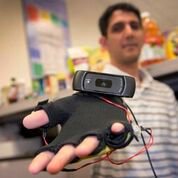
Intelligent glove Manovue won an award for using Artificial Intelligence to provide the visually impaired with a personal assistant!
Germany pledged 115 million Euros to the World Health Organisation for the next four years.
And, London School of Hygiene and Tropical Medicine signed an MOU with the Charité – Universitätsmedizin Berlin to collaborate and identify joint research opportunities.
“We welcome this new partnership with the London School of Hygiene & Tropical Medicine, one of the world’s leading centers for research and postgraduate education in public and global health. It will bring new opportunities in research and teaching,’ stated Axel R. Pries, Dean of the Charité.
In short, there were important initiatives, speeches and plenty of press, public relations and marketing events.
The Germans took the opportunity to brand their nation as the leader in promoting global public health.
‘Never before were we able to guarantee such a high and long-term support for the core mandate of WHO’, Jens Spahn, the German Federal Minister of Health was quoted in a carefully worded press release.
The press release added that the 115 million Euros pledged by Germany was ‘a major step in assuring long-term predictable finances so that WHO will be able to meet the high expectations of the global public.’
Now, to the tough questions from my perch.
The global public. Does that include Ghana?
What should be our expectations here in Ghana?
Research findings that will help eradicate malaria?
Vaccines?
‘Free’ monies for advertisements by the national health institutions including posters that have littered our hospitals and clinics?
Radio and TV media campaigns to stop open defecation?
A communications consultancy firm such as ours shouldn’t question its industry, lest it risks not getting contracts or subcontracts.
Is that not how we run things here; is that not the conventional wisdom?
But let’s admit it, are you not just scandalised by those unsightly posters all over our health centres?
One of the largest billboards right in front of the Centre for National Culture (Arts Centre Accra) shows a real photograph (not Photoshop) of a man easing himself at the beach!
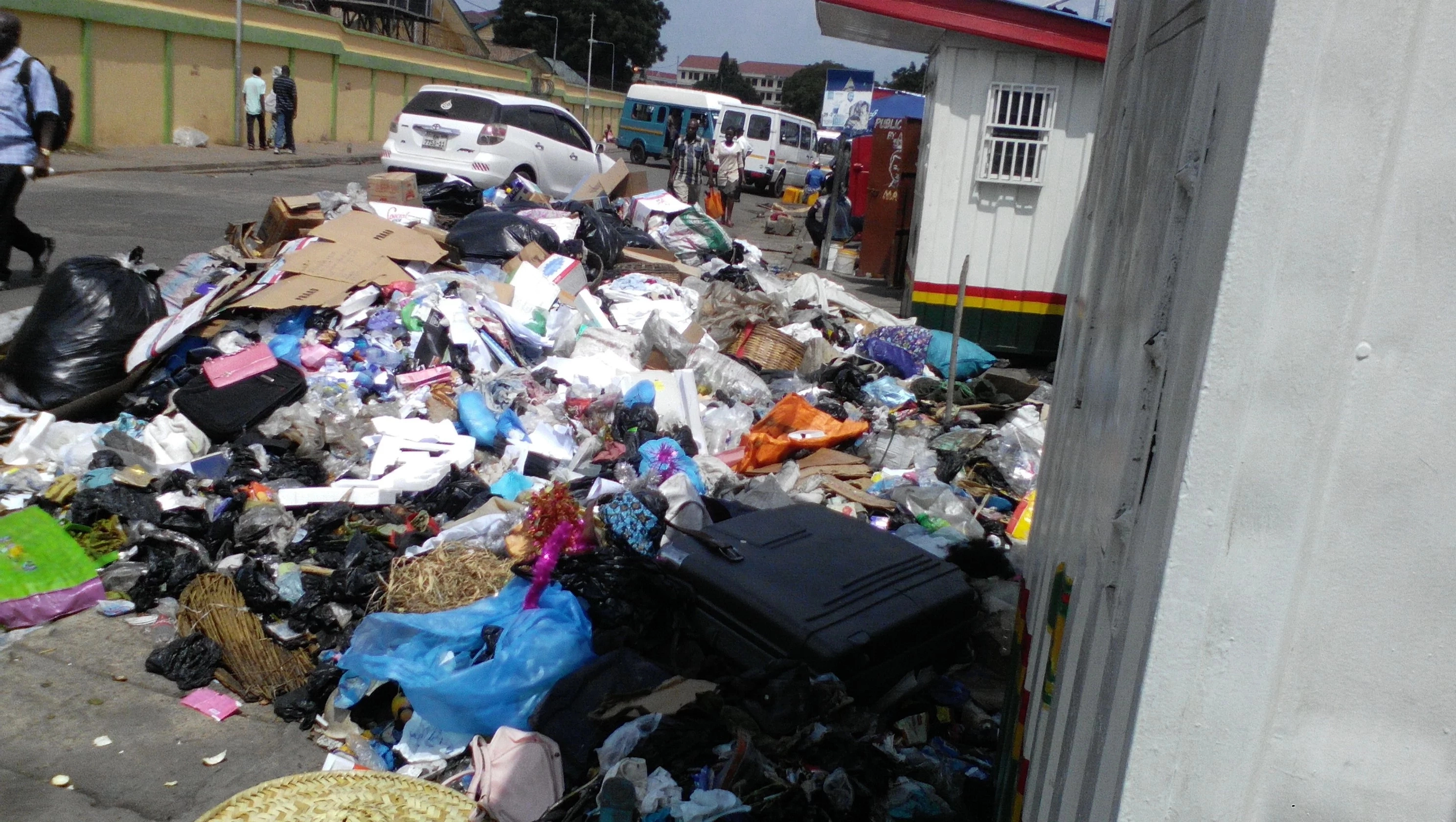
Meanwhile just a short stroll away, within precincts of the Ghana Health Service HR directorate and the Ghana Health Service headquarters and Prosthetics Units at the Tema Station area of Accra, there is raw faecal matter and urine in the open gutters daily!
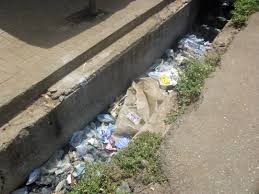
The place is impassable; you just can’t breathe, but the latest SUVs and cross country vehicles aka ‘tear rubber’ some bought with foreign donor funds lobbied from such health summits are parked right there.
What is it with us and vehicles- what is it?
Those who needed to sign important agreements in Berlin have done so.
Health and medical research is not free.
So how do we pay for ours?
Either our government pays for it directly… or indirectly – we shall pay through bilateral and multi-lateral agreements that give unfettered access to our markets.
In short, you throw rubbish on the streets….our civil servants approve funding for open gutters and someone at some research centre gets a job with funding.
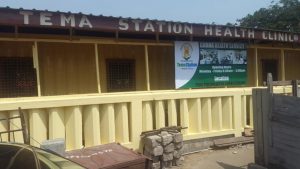
What presentations do our Health Ministers and significant others go and make at such important meetings apart from asking for assistance for a public health programme?
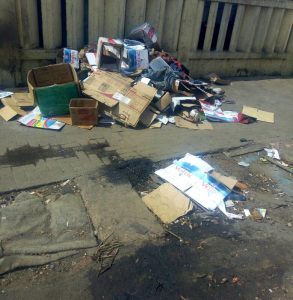
Have they figured out that our priority must be sanitation and sanitation alone?
This event paid for itself; regular tickets cost from 620 (early bird) to 920 Euros (for those registering from 1 August 2018.
Participants from non OECD member countries paid from 220 to 320 Euros, same as NGOs!
‘We are delighted that so many experts from academia, politics, civil society and the private sector are here, said Professor Detlev Ganten, the Founding President of the World Health Summit. ‘Together we are strong.’
My take is that fees were made cheaper for countries such as Ghana (with poor health infrastructure) to come and learn.
But of course visa procurement was the sole responsibility of the applicant.

In other words, you had to convince the German embassy (unless you were on a protocol list) that the 10th World Health Summit will really and seriously benefit you; that you had enough money in your account and will not go AWOL once you reached wonderful Europe with its streets paved with gold.
Once you get to Berlin- what speeches are you going to deliver and how will you lobby anyone to pay attention to you?
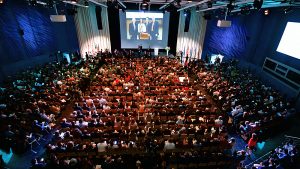
There were about 2400 participants from 100 countries including 300 speakers at 50 sessions- all working within 14 – 16 October.
What communication strategy will you adopt before, during and after the summit, to get your deals through?
Did the participants from Ghana get to Berlin battle ready to score big for the country?
Media representatives from the major news outlets attended free of charge.
‘A workspace, WiFi, and key documents will be provided for all accredited journalists. Photos from the World Health Summit will be published online at www.worldhealthsummit.org/press-media/photo’, a statement on the summit’s website said.
‘Accreditation will be given to professionals who work for major media outlets and intend to report on the World Health Summit and its topics’, the website added.
Now that is world class- someone please talk to me about press agentry- creating a news worthy event and getting free publicity?
Now any feedback from the Ghana delegation, do they have anything tangible or transformative to report?
We are all ears.
Feedback; [email protected]
Writers and Shakespeares Ghana Limited exists to be a moral and intellectual guide to the best practice of PR and integrated communications around the world, beginning with Ghana.